


Friday Wrap: Dollar Wins, Gold Loses
Welcome to this friday wrap dollar gold edition. The week of May 11–15, 2026, will be remembered as the week the narrative flipped. Good news became bad news. Strong economic data no longer meant soft landing. It meant higher rates for longer.
This Friday wrap analysis covers the key movers: the US dollar’s 1.2% rally, gold’s 1-2% decline, Treasury yields spiking to one-year highs, and the S&P 500 hitting a new all-time high above 7,500.
Let us dive into what happened and what it means for next week.
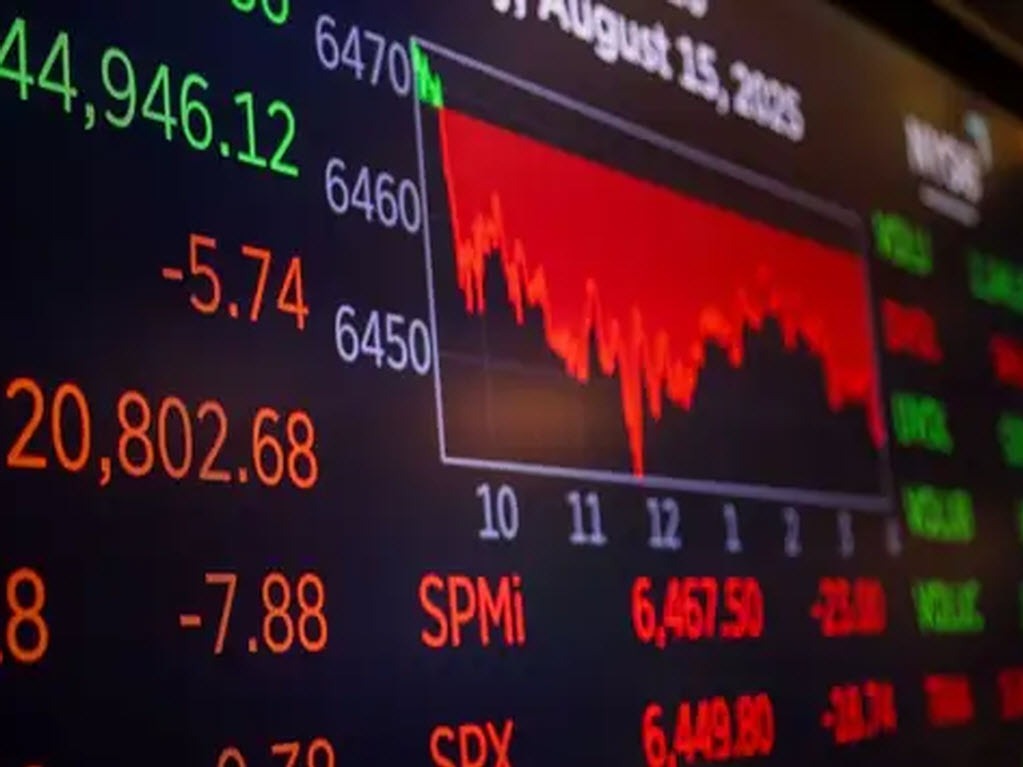
The Narrative Flip: Good News Became Bad News
The single most important driver of markets this week was a complete reversal in how investors interpreted data. For months, strong economic reports were seen as signs of a “soft landing.” This week, they were viewed as ammunition for the Federal Reserve to raise interest rates.
As this Friday wrap will show, the core market dynamic was simple: the US economy is too strong, and inflation is too hot. The market concluded that the Fed has no choice but to tighten policy.
“The dollar is catching up with the strong data we have seen this week,” said Francesco Pesole, FX strategist at ING. “It feels like there is a realisation that the US story in an energy crisis may just end up being much better than many other places in the world.”
This Friday wrap analysis will break down each asset class and explain what to watch next week.
US Dollar (DXY): The Clear Winner
The Dollar Index climbed over 1% during the week, marking its largest weekly advance since early March. It reached a four-week peak of 99.3 before settling near 99.5.
Any honest friday wrap must start with the dollar. It was the primary beneficiary of the Fed hike repricing.
Why the Dollar Rallied
First, the Fed hike odds exploded. Seven days ago, markets priced less than a 20% chance of a rate hike by year-end. Today, traders assign a 55%+ probability of a rate increase by December. A March 2027 hike is now fully priced in.
According to the [CME FedWatch tool]traders now assign a 55%+ probability of a rate hike by December, up from less than 20% a week ago.”
Second, the data forced the repricing. Headline CPI surged to 3.8% year-over-year in April, up sharply from 3.3%. Producer prices jumped 1.4% month-over-month, pushing the annual rate to 6.0% – the hottest reading since 2022. Retail sales grew for the third consecutive month, killing the “weakening consumer” narrative.
Third, geopolitical support. Stalled US-Iran peace talks and the ongoing closure of the Strait of Hormuz keep oil prices elevated, reinforcing inflationary fears.
This Friday wrap notes that the dollar won the week, but not decisively. OCBC strategist Christopher Wong noted that DXY gains lacked “strong follow-through” above 99, suggesting markets may have already priced a fair amount of inflation risk.
For a full breakdown of the relationship between Fed policy and the dollar, see our guide on [how the Fed shapes the dollar].
Treasury Yields: Spiking to One-Year Highs
Longer-dated Treasury yields climbed to their highest levels since May 2025 on Friday. A spike in oil prices stoked fears that ongoing energy disruptions in the Middle East could further fuel inflation – which data this week showed had already surged in April.
Oil prices gained 3% after President Trump said his patience with Iran is running out, adding to concerns over the lack of progress on a peace deal.
Any complete analysis must include the Treasury market. The 2-year note yield, which typically moves in step with interest rate expectations for the Federal Reserve, was up 7 basis points at 4.062%. It reached 4.071%, the highest since March 2025.
The yield on benchmark US 10-year notes rose 9.3 basis points to 4.552%. It got to 4.558%, the highest since May 2025. The 30-year bond yield rose 8.6 basis points to 5.0992%.
These yield levels confirm what this Friday wrap has been saying: the market is pricing in a more hawkish Fed.
Gold (XAU/USD): The Biggest Loser
This Friday wrap would not be complete without addressing gold’s decline. Gold declined for the fourth consecutive day on Friday and was set to close the week with losses of approximately 1-2%, falling toward $4,619.
Why Gold Crashed
The Fed hike repricing was the killer. With markets now pricing a 55% chance of a rate hike, the opportunity cost of holding non-yielding gold skyrocketed.
Technically, gold broke below the critical $4,639 level on the H4 chart, validating a double-top pattern. This triggered algorithmic selling. The inverse correlation with the dollar held perfectly. As the dollar surged, gold was sold.
Key levels from the charts:
- Immediate support: $4,605 (61.8% Fib retracement)
- Next support: 4,560/4,520 (78.6% Fib retracement)
- Resistance: 4,637(504,669 (200-hour SMA)
As this friday wrap has noted before, the primary driver of inflationary pressure remains the ongoing conflict in the Middle East. The market has largely ruled out a Fed rate cut for 2026. Some investors are even pricing in the possibility of a further rate hike.
S&P 500 (SPX): New Highs, Growing Risks
The S&P 500 reached a new all-time high, breaking above 7,500 for the first time. The index gained roughly 1.5% over the week, driven by optimism surrounding the Trump-Xi meeting in Beijing.
This friday wrap must highlight the divergence. The S&P 500 is climbing even as the dollar rallies, yields spike, and rate hike odds surge.
The technical warning: The RSI is trading above 70 (overbought territory), flashing a warning of “a potential excess of buying strength in recent sessions.”
Key support levels: 7,360 (near-term barrier) and 7,000 (critical trendline support).
Oil (WTI and Brent): The Quiet Climbers
Oil prices rose steadily throughout the week, closing near 100.
The driver was the geopolitical risk premium returning. President Trump stated he is “losing patience” with Iran, and a commercial vessel was reportedly seized by Iranian personnel off the UAE coast, stoking fears over the flow of energy supplies.
This friday wrap has consistently said that oil is the main variable. Every other forecast – Fed cuts, inflation, gold’s ceiling, the dollar’s support – depends on what oil does next.
British Pound (GBP): The Week’s Weak Link
The British pound dropped to a five-week trough, making it the worst-performing major currency. It was down 1.9% on the week, its biggest weekly drop since November 2024.
Prime Minister Keir Starmer faced intense leadership pressure after disastrous local election results. Markets are concerned that a new leader, such as Greater Manchester Mayor Andy Burnham, may prefer looser fiscal policy.
As this friday wrap notes, the pound’s move was roughly 50% dollar-driven and 50% sterling-driven.
Trump-Xi Summit: Markets Hardly Reacted
Markets hardly reacted to the closely watched two-day summit between Trump and Xi that concluded on Friday. Beijing warned Washington against mishandling Taiwan and said the Iran war should never have started.
Trump said his patience with Iran was running out, and that he and Xi do not want Iran to have nuclear weapons and “want the straits open.”
This friday wrap assessment is that the summit was a non-event for markets.
What We Said vs What Happened (Sunday Preview Recap)
In our Sunday preview for this friday wrap , we identified CPI Wednesday as the main event. That was correct. We said a hot print would send the dollar toward 99. That happened. We said gold at $4,700 was the cleanest range trade. That broke lower.
We also warned that energy prices were the main variable. That held true all week.
The Divergence That Matters: Yields Up, Stocks Up, Gold Down
This week created a rare divergence. Yields spiked to one-year highs. The dollar rallied 1.2%. Gold sold off. Yet the S&P 500 hit a new all-time high.
Normally, rising yields and a stronger dollar would pressure equities. But the S&P 500 ignored the usual playbook. Why?
First, the rally is narrow. AI and tech mega-caps are driving the index. The other 490 stocks in the S&P 500 are not participating at the same level. This creates the illusion of broad strength.
Second, positioning matters. Systematic buying and flow-driven momentum kept equities bid despite the macro headwinds.
Third, the Trump-Xi summit provided a temporary optimism boost. Markets hoped for trade truce extensions, even if the details were thin.
As this Friday wrap has noted before, a narrow rally is a fragile rally. If AI leadership falters or oil spikes above $110, the divergence could close quickly.
What to watch next week: If the 10-year yield breaks above 4.60% and holds, equity valuations will come under pressure. The divergence can last for weeks, but not forever.
The Bottom Line
This friday wrap concludes with one clear takeaway: the “soft landing” narrative died this week. The “higher for longer” narrative is back with a vengeance.
The dollar won. Gold lost. The S&P 500 hit new highs, but the rally is narrow and overbought. Oil remains the main variable.
Next week, watch incoming Fed Chair Kevin Warsh. If he signals he will “look through” this inflation spike, the dollar could reverse quickly. If he endorses the market’s hawkish pricing, expect further USD strength.
Disclaimer: This article is for educational and informational purposes only. It does not constitute financial advice, trading recommendations, or an offer to buy or sell any asset. Trading cryptocurrencies and prop firm challenges carries significant risk and may not be suitable for all investors. Past performance does not guarantee future results. I only recommend firms I have researched. Always read the full rules of any prop firm before purchasing a challenge. Do your own research.